
Power Up Your Morning
Healthy Breakfast Ideas Tailored for Men's Wellness
Discover scientifically-backed breakfast strategies designed to boost energy, support muscle health, and establish a foundation for your entire day. From high-protein options to nutrient-dense combinations, we guide you through breakfast excellence.
Breakfast Visual Inspiration
Protein-Packed Eggs
Scrambled eggs with vegetables, whole grains, and healthy fats for sustained energy.

Greek Yogurt Power Bowl
High-protein yogurt topped with antioxidant berries, nuts, and seeds for complete nutrition.

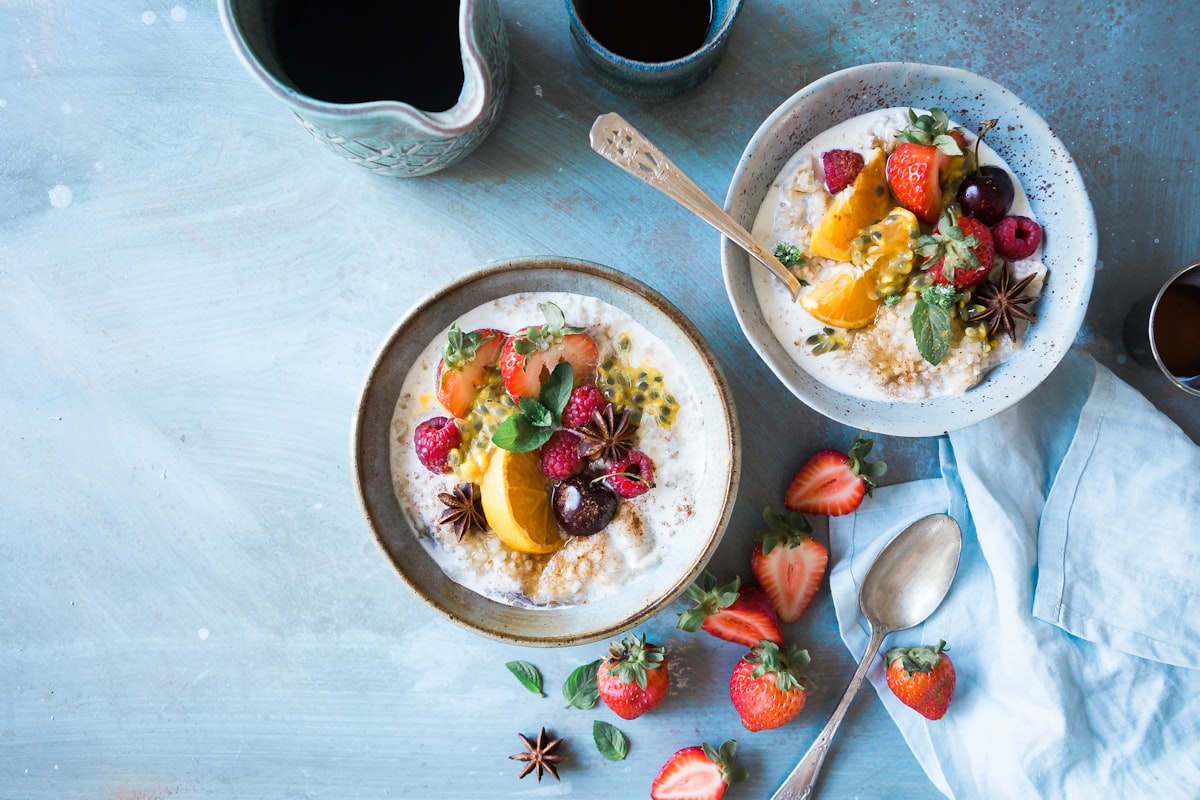
Oatmeal with Toppings
Steel-cut oats combined with protein-rich toppings for stable glucose levels throughout morning.
Why These Breakfasts Matter for Men's Health
Sustained Energy & Mental Clarity
A nutrient-balanced breakfast stabilises blood glucose, preventing mid-morning energy crashes. When you fuel your brain and muscles with quality protein, complex carbohydrates, and healthy fats, you experience sharper focus, improved concentration, and better decision-making throughout your workday—whether in the office or gym.
Cardiovascular & Metabolic Support
High-quality breakfasts rich in fibre, omega-3 fatty acids, and essential minerals support healthy heart function and metabolic efficiency. Men who eat structured breakfasts demonstrate better cholesterol profiles, improved circulation, and more consistent energy expenditure throughout the day.
Muscle Development & Physical Performance
Breakfast protein intake is crucial for muscle protein synthesis, especially for men engaged in strength training or regular exercise. Amino acids consumed in the morning trigger cellular repair mechanisms, enhance workout performance, and accelerate recovery from physical activity.
Weight Management & Appetite Control
Men who eat breakfast experience fewer cravings, reduced afternoon snacking, and better portion control at lunch and dinner. A protein-rich morning meal increases satiety hormones, helping you maintain a healthy weight without feeling deprived.
Breakfast is more than habit—it's the cornerstone of a healthy lifestyle. When you prioritise morning nutrition, you invest in better physical performance, mental clarity, and long-term wellness.
Top 6 High-Protein Breakfast Recipes
Veggie-Loaded Omelette
Three eggs whisked with spinach, mushrooms, peppers, and low-fat cheese, served with wholemeal toast. Packed with 25g protein, essential minerals, and antioxidants.
- Preparation: 10 minutes
- Protein: 25g
- Fiber: 4g
Protein Smoothie Bowl
Greek yogurt, whey protein powder, banana, berries, and almond milk blended smooth, topped with granola, seeds, and coconut flakes for crunch.
- Preparation: 8 minutes
- Protein: 30g
- Carbs: 45g
Avocado Toast Supreme
Two slices of sourdough topped with mashed avocado, poached eggs, cherry tomatoes, fresh coriander, and a drizzle of olive oil with lemon juice.
- Preparation: 12 minutes
- Protein: 18g
- Healthy Fats: 22g
Greek Yogurt Parfait
Layered Greek yogurt, granola, fresh blueberries, raspberries, walnuts, and raw honey. A delicious balance of protein, probiotics, and antioxidants.
- Preparation: 5 minutes
- Protein: 28g
- Probiotics: High
Power Smoothie
Blend spinach, protein powder, banana, peanut butter, oat milk, and chia seeds. A convenient, nutrient-dense breakfast perfect for busy mornings on the go.
- Preparation: 6 minutes
- Protein: 32g
- Omega-3: Present
Cottage Cheese Bowl
Low-fat cottage cheese mixed with sliced pineapple, almonds, flax seeds, and a touch of honey. An underrated protein powerhouse with excellent digestibility.
- Preparation: 5 minutes
- Protein: 35g
- Casein: Slow-release
5-Step Guide to Breakfast Meal Prep Success
Plan Your Week
Start Sunday evening by reviewing your schedule. Choose 3-4 breakfast recipes that appeal to you and fit your daily routine. Consider your taste preferences, available time in the morning, and fitness or wellness goals. Write down ingredients needed for each recipe to create a focused shopping list.
Shop Smart & Fresh
Buy fresh vegetables, quality protein sources (eggs, Greek yogurt, cottage cheese), whole grains, nuts, and seeds. Prioritise whole foods over processed options. Check expiration dates and storage recommendations. Store perishables properly in your fridge—eggs on a shelf, leafy greens in the crisper drawer, and dairy products away from the door for optimal freshness throughout the week.
Prepare Components in Advance
On your chosen prep day (usually Sunday), wash and chop vegetables, cook grains, hard-boil eggs, and portion nuts and seeds into small containers. Pre-cook turkey sausage or lean bacon if desired. Store prepared components in airtight containers, keeping wet and dry items separate. Most prepped ingredients stay fresh for 4-5 days when properly stored.
Assemble Quick & Easy
Each morning, grab your prepped components and assemble your chosen breakfast in 5-10 minutes. For smoothie bowls and parfaits, blend and top. For omelettes, you've already chopped vegetables. For toast, spread avocado and add your prepared toppings. This system eliminates decision fatigue while keeping your morning stress-free.
Track, Adjust & Refine
Keep a simple log of which breakfasts you enjoy, how you feel throughout the morning, and any energy dips. After two weeks, identify your top recipes and refine your prep routine. Maybe you discover you prefer savoury over sweet, or need more protein to maintain focus. Continuous small adjustments lead to a breakfast system that genuinely works for your body and lifestyle.
Real Men Share Their Breakfast Transformation Stories
"I've struggled with morning energy crashes for years until I started eating a proper protein-based breakfast. The veggie omelette recipe became my go-to—I feel sharper, more focused at work, and my gym performance improved noticeably. This simple change transformed my entire day."
Marcus Thompson
Manchester, UK
"The meal prep guide changed everything for me. I used to skip breakfast or grab unhealthy options on my way to the office. Now I spend two hours on Sunday preparing components, and mornings are effortless. I've noticed better recovery from workouts and consistent energy all day long."
David Chen
London, UK
"As someone trying to build muscle, breakfast was always hit or miss. Learning about protein requirements and the cottage cheese bowl recipe gave me the nutrition foundation I needed. The recipes provided have been a great addition to my fitness routine."
James Wilson
Birmingham, UK
Common Questions About Healthy Breakfast
How much protein should men eat at breakfast?
Most evidence suggests 25-35g of protein at breakfast optimises muscle protein synthesis, enhances satiety, and supports metabolic health. This is roughly equivalent to three eggs, one Greek yogurt cup, or two slices of avocado toast with eggs. Your individual needs may vary based on body weight, fitness goals, and overall daily protein intake.
Can I skip breakfast and do intermittent fasting?
Some men thrive with intermittent fasting, while others perform better eating breakfast. Research shows both approaches can work for weight management. The key is consistency and choosing what sustains your energy and mood. If breakfast helps you train harder, focus better, and avoid afternoon cravings, it's worth keeping. If you truly aren't hungry, don't force it.
What if I'm eating breakfast but still feel tired mid-morning?
Mid-morning energy crashes usually signal insufficient protein or too many refined carbs. Add more protein, include healthy fats (nuts, avocado, olive oil), and reduce white bread or sugary cereals. Ensure you're drinking enough water—dehydration mimics fatigue. Also check sleep quality and stress levels, as these directly impact morning energy regardless of breakfast.
Are smoothies a good breakfast option?
Yes, smoothies work well if made thoughtfully. Include protein (Greek yogurt, protein powder), healthy fats (nut butter, seeds), and whole fruits (banana, berries). Avoid adding excess juice, honey, or sugary yoghurt—these spike blood glucose without lasting satiety. Liquid meals digest faster than solid foods, so pair your smoothie with something small and solid like a granola handful to extend fullness.
How long can prepped breakfast components stay fresh?
Most prepped vegetables, grains, and cooked proteins stay fresh for 4-5 days in airtight containers. Hard-boiled eggs last up to a week. Greek yogurt and cottage cheese should be consumed by their expiration dates. Keep wet ingredients (sauces, toppings) separate from dry ones to prevent sogginess. Label containers with prep dates to avoid guessing.
What's the best breakfast timing before a workout?
Eat breakfast 1.5-3 hours before intense training for best results. This gives your body time to digest and absorb nutrients. Choose easily digestible carbs (oats, banana) with moderate protein (Greek yogurt, eggs). If you train first thing in the morning and can't wait, have a small smoothie or banana 15-30 minutes before—then eat a full breakfast afterward when your stomach is ready.
Join Our Breakfast Community
Get weekly breakfast ideas, nutrition tips, and meal prep strategies delivered to your inbox. Subscribe to stay updated with the latest content about healthy living for men.
We respect your privacy. Unsubscribe anytime.