
Healthy Breakfast Ideas for Men
Discover nutrient-dense morning meals designed to fuel your day with sustained energy, mental clarity, and lasting vitality. Browse our comprehensive guide to breakfast options that support your active lifestyle.
Breakfast Categories
Featured Breakfast Recipes
Each recipe below is carefully selected to provide the optimal balance of protein, healthy fats, and carbohydrates to support your morning performance and long-term wellness.
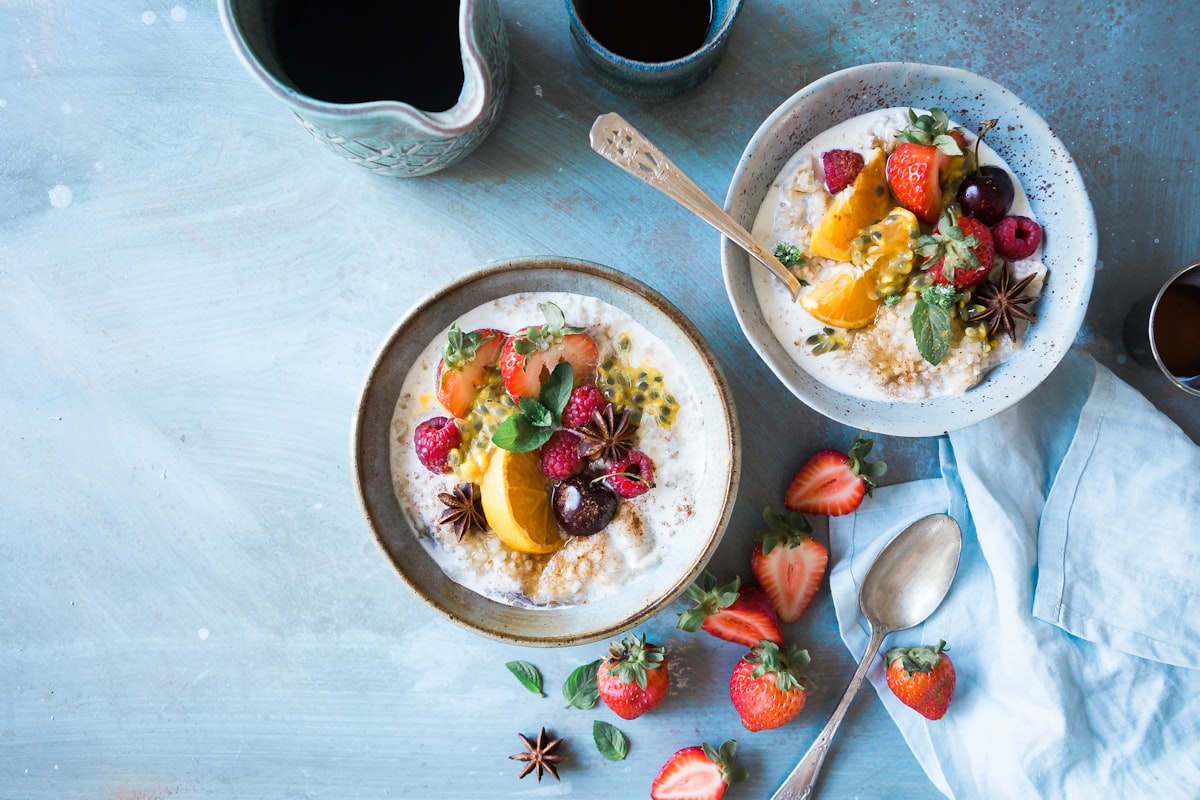
Greek Yogurt Protein Pancakes
Fluffy pancakes made with Greek yogurt, whole grain flour, and eggs. Topped with fresh berries and a drizzle of raw honey. Packed with 25g of protein and complex carbohydrates for sustained energy throughout your morning.

Vegetable-Loaded Egg Scramble
Farm-fresh eggs scrambled with organic spinach, bell peppers, mushrooms, and onions. This mineral-rich breakfast provides essential micronutrients plus 20g of complete protein to power your morning workouts and mental focus.
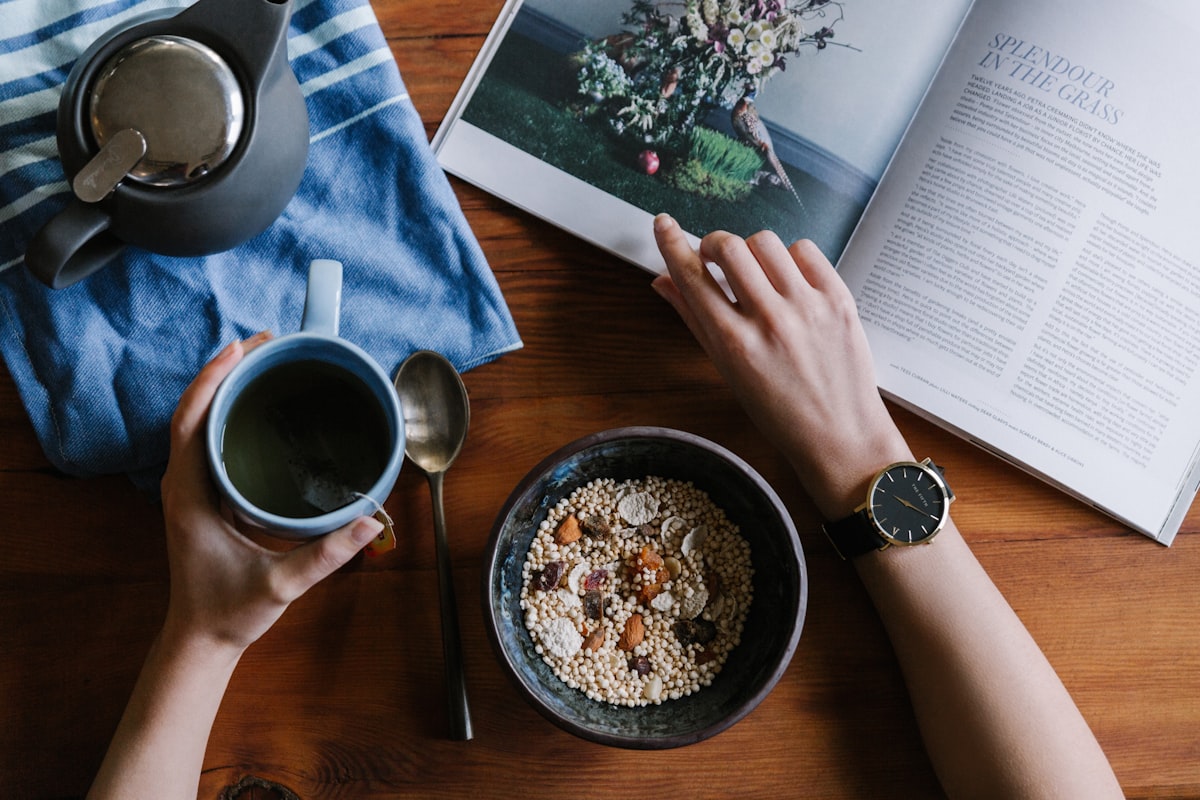
Steel Cut Oats with Seeds & Nuts
Slow-cooked steel cut oats provide steady glucose release throughout the morning. Topped with almonds, walnuts, pumpkin seeds, and chia seeds for omega-3 fatty acids and sustained energy. A true superfood breakfast bowl.

Quinoa & Greek Yogurt Breakfast Bowl
Cooked quinoa combined with creamy Greek yogurt, fresh blueberries, raspberries, and a touch of raw honey. Quinoa is a complete protein containing all nine essential amino acids, making this bowl ideal for muscle recovery and sustained performance.

Smoked Salmon & Avocado Toast
Wild-caught smoked salmon on whole grain sourdough toast, topped with ripe avocado and a poached egg. This combination delivers omega-3 fatty acids for heart and brain health, plus quality protein and healthy monounsaturated fats for sustained satiety.

High-Protein Smoothie Bowl
Creamy blended smoothie made from natural protein powder, Greek yogurt, frozen berries, and almond milk. Topped with granola, unsweetened coconut, and sliced fresh fruits. Perfect for busy mornings when you need 30g of protein in under five minutes.

Turkey Sausage Breakfast Burrito
Organic turkey sausage wrapped in a whole wheat tortilla with scrambled eggs, sautéed bell peppers, onions, and sharp cheddar cheese. Prepare these on Sunday for grab-and-go breakfasts throughout the week. Contains 28g of lean protein per burrito.
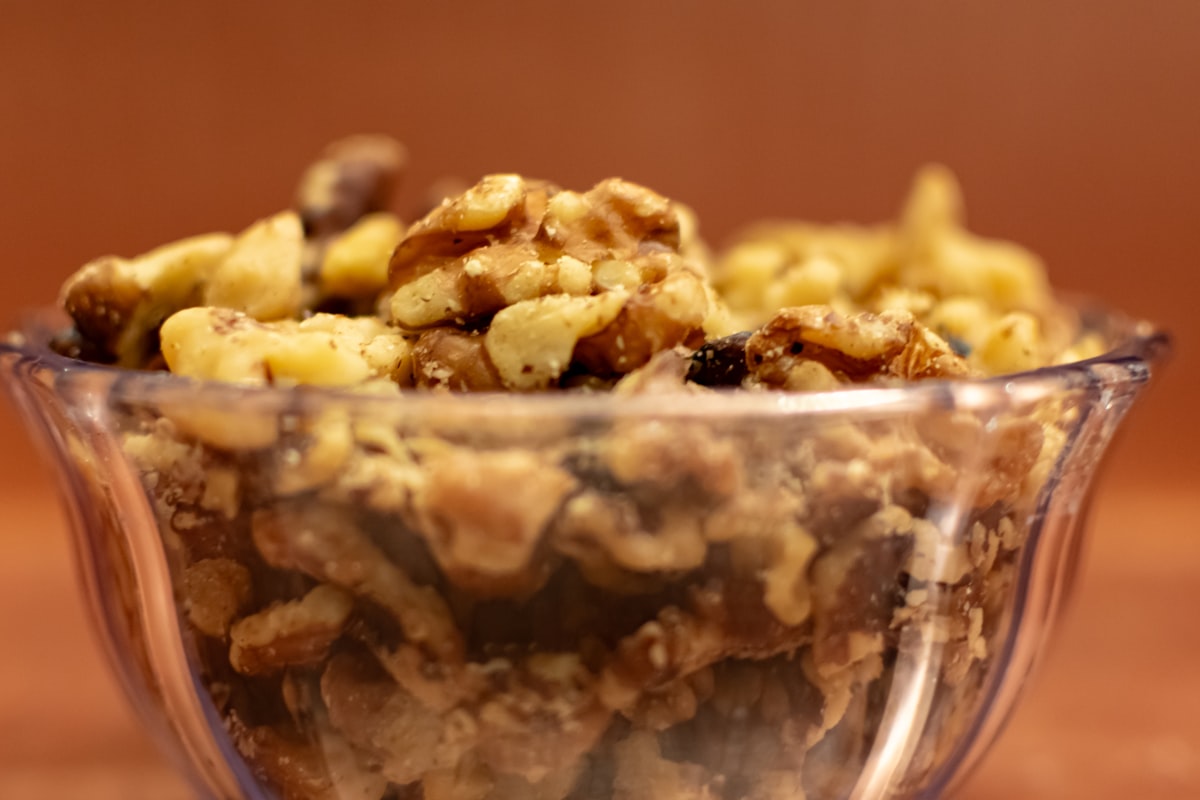
Overnight Chia Seed Pudding
Mix chia seeds, unsweetened almond milk, vanilla extract, and a touch of maple syrup the night before. Wake up to a creamy, nutrient-dense pudding loaded with fiber, omega-3s, and plant-based protein. Top with fresh berries and almonds just before serving.
Why Breakfast Matters for Men's Health
A nutrient-dense morning meal sets the foundation for physical performance, mental clarity, and sustained energy. Learn the science behind building the perfect breakfast for your goals.
Sustained Energy & Performance
A balanced breakfast with protein, healthy fats, and complex carbohydrates provides steady glucose release throughout the morning. This prevents energy crashes, supports physical performance during workouts, and enhances cognitive function for focused work. Men who eat breakfast show improved concentration, better mood regulation, and higher metabolic efficiency.
Cardiovascular & Metabolic Health
Research shows that men who consume a nutritious breakfast maintain better lipid profiles, improved insulin sensitivity, and healthier body composition. Protein-rich morning meals support lean muscle preservation and increase thermogenesis, helping regulate healthy weight. Omega-3 fatty acids from fish and seeds contribute to cardiovascular wellness and arterial health.
Muscle Recovery & Strength
Post-workout breakfast is critical for muscle protein synthesis. Consuming 20-30g of quality protein within two hours of morning exercise optimizes recovery and strength gains. Eggs, Greek yogurt, and lean meats provide all nine essential amino acids needed for muscle adaptation and long-term athletic development.
Mental Clarity & Mood
Breakfast consumption is linked to improved memory, faster processing speed, and better emotional regulation. B vitamins from whole grains support neurotransmitter production, while antioxidants from berries and vegetables protect cognitive function. Men who skip breakfast show reduced focus and higher stress levels throughout the day.
Essential Nutrition Principles for Breakfast
Master these foundational concepts to build your perfect morning meal tailored to your fitness goals and lifestyle.
Balance Your Macronutrients
Target 25-35g of protein, 5-10g of healthy fats, and 35-50g of complex carbohydrates per breakfast. This balance provides sustained energy, supports muscle function, and promotes satiety. Adjust portions based on your body weight, activity level, and personal goals.
Prioritize Whole Foods
Build breakfasts from unprocessed ingredients: eggs, oats, legumes, nuts, seeds, fresh vegetables, and whole grains. Avoid refined sugars, processed meats, and artificial additives that spike blood glucose and reduce nutrient density. Whole foods provide fiber, vitamins, and minerals that support overall wellness.
Include Diverse Micronutrients
Eat the rainbow—incorporate different colored vegetables and fruits to access varied phytonutrients. Green vegetables provide magnesium and folate. Orange foods offer beta-carotene. Berries deliver anthocyanins. This diversity ensures comprehensive micronutrient coverage for immune function and disease prevention.
Time Your Meal Strategically
Consume breakfast within 1-2 hours of waking to optimize energy and hormonal balance. If you exercise early, eat a smaller, easily digestible breakfast 30-45 minutes before training, then a larger meal afterward. This timing maximizes performance and recovery benefits.
Source Quality Ingredients
When possible, choose organic eggs from pasture-raised hens, grass-fed dairy products, wild-caught fish, and locally-sourced produce. These options contain higher micronutrient levels and lower pesticide residues. Quality ingredients amplify the nutritional benefits of your breakfast.
Hydrate Properly
Drink 400-500ml of water upon waking, before breakfast, to rehydrate after sleep and support metabolic function. Pair breakfast with herbal tea or water throughout the morning meal. Proper hydration enhances nutrient absorption and supports mental clarity and physical performance.
Meal Prep Strategies for Success
Transform your breakfast routine with simple, practical strategies that save time and ensure consistent nutrition throughout the week.
Weekly Breakfast Planning
- • Dedicate 30 minutes on Sunday to plan five breakfast options for Monday-Friday
- • Prep ingredients: cook grains, wash vegetables, portion nuts and seeds into containers
- • Store prepared components in airtight containers for 4-5 days maximum
- • Mix and match prep items to create different combinations and prevent meal fatigue
- • Keep frozen berries, nuts, and protein powder on hand for quick assembly
Sample Meal Prep Menus
Monday - Wednesday
Breakfast: Overnight oats with berries and nut butter
Lunch: Grilled chicken breast, quinoa, roasted vegetables
Dinner: Baked salmon, sweet potato, steamed broccoli
Thursday - Friday
Breakfast: Greek yogurt parfait with granola and honey
Lunch: Turkey and avocado wrap with whole grain bread
Dinner: Lean beef with brown rice and mixed vegetables
Weekend Flexibility
Breakfast: Protein pancakes or scrambled eggs with toast
Lunch: Buddha bowl with varied proteins and greens
Dinner: Try one new recipe for variety while maintaining nutrition goals
What Men Are Saying
"Meal prepping has completely transformed my body composition. I've gained 12 pounds of lean muscle in 3 months by staying consistent with my nutrition."
James M.
Fitness Enthusiast
"I was skeptical at first, but meal prepping saves me hours every week and keeps me on track with my health goals. Highly recommend!"
Marcus T.
Busy Professional
"Meal prepping reduced my food costs by 30% while improving my nutrition. I have more energy at the gym and feel better overall."
David R.
Budget-Conscious Athlete
Frequently Asked Questions
How long can I store meal prep containers?
Most cooked meals stay fresh in the refrigerator for 3-4 days. For longer storage, freeze portions and thaw 24 hours before eating. Freezer storage typically extends to 2-3 months.
Can I meal prep without special containers?
Absolutely! Any airtight containers work—glass jars, plastic tupperware, or even freezer bags. The key is keeping food properly sealed to maintain freshness and prevent contamination.
What if I don't like eating the same meal repeatedly?
Prep individual components separately (proteins, carbs, vegetables) and mix-and-match throughout the week. This keeps meals fresh and prevents monotony while maintaining your nutritional goals.
How much time does meal prepping take?
Most people spend 2-3 hours on Sunday to prep for the entire week. As you become more efficient, this time decreases. The time investment pays dividends in consistency and results.
Do I need to buy expensive meal prep equipment?
No. Start with basic kitchen tools—cutting boards, knives, measuring cups, and containers. As your commitment grows, you can invest in larger appliances like food processors or slow cookers.